Knee Pain?
It Might Not
Be Your Knee.
Chiropractic & Physio-Led · Full Kinetic Chain · 5 Clinics
Knee pain is rarely just about the knee. Pelvic alignment, hip mechanics, foot position and spinal function all influence how your knee loads and moves. At WYLD, our chiropractors assess the full kinetic chain while our physiotherapists rehabilitate the knee itself — giving you the most complete approach to recovery.
Your Knee.
The Chain Above It.
The knee sits in the middle of a kinetic chain that runs from the foot through the hip to the pelvis and spine. When any link in this chain is dysfunctional — a stiff hip, a misaligned pelvis, a restricted lumbar spine — the knee often compensates and pays the price.
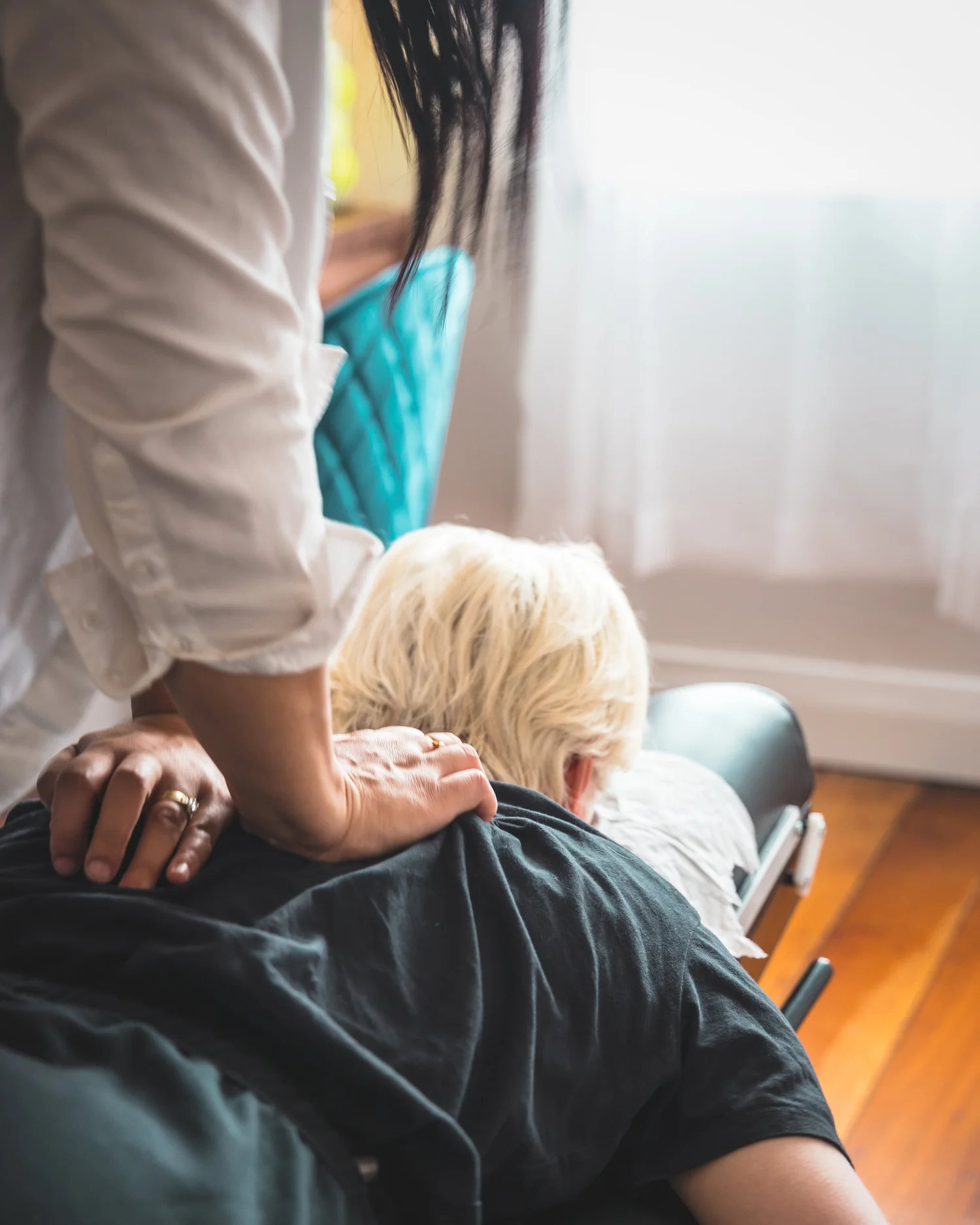
Our chiropractors assess pelvic alignment, hip mobility, lumbar spine function and lower limb biomechanics to identify why your knee is overloaded. Through spinal and pelvic adjustment, chiropractic care aims to restore the mechanical environment that allows your knee to function without excessive stress. This is the upstream approach that most knee-only clinics miss.
At WYLD, chiropractic assessment of the kinetic chain works hand-in-hand with physiotherapy for knee-specific rehabilitation, strengthening and return-to-sport protocols — all under one roof.
Book a Chiropractic AssessmentWhy Does Knee Pain Happen?
The knee is a hinge joint caught between two powerful rotational joints — the hip above and the ankle below. These are the most common presentations our practitioners see.
Runner's Knee
Patellofemoral pain syndrome — a dull ache around or behind the kneecap, worsened by stairs, squats, sitting and running. Often caused by poor tracking of the kneecap, driven by hip weakness, pelvic imbalance or foot mechanics. Our chiropractors and physiotherapists address the full chain.
ACL & Ligament Injuries
Anterior cruciate ligament (ACL), medial collateral (MCL) and lateral collateral (LCL) injuries from pivoting, landing and contact sports. These injuries often require structured rehabilitation — and pelvic and hip assessment to understand the biomechanical factors that contributed.
Meniscus Injuries
The meniscal cartilages cushion and stabilise the knee. Tears from twisting, squatting or degeneration produce catching, locking, swelling or giving way. Physiotherapy rehabilitation is often the first-line approach, with chiropractic assessment of the hip and pelvis to address contributing factors.
Hip & Pelvic Dysfunction
This is the chiropractic insight that makes a difference. A stiff hip forces the knee to absorb rotational forces it isn't designed for. A tilted pelvis changes the alignment of the entire lower limb. Our chiropractors assess and address these upstream contributors to knee pain.
Tendinopathy & Bursitis
Patellar tendinopathy (jumper's knee), ITB friction syndrome, pes anserinus bursitis and Baker's cysts — all inflammatory conditions driven by overload, biomechanical dysfunction or training errors. Our physiotherapists manage the local issue while our chiropractors address the kinetic chain.
Post-Surgical Rehab
ACL reconstruction, meniscal repair, knee replacement and arthroscopy all require structured rehabilitation. Our physiotherapists provide evidence-based post-surgical protocols while our chiropractors ensure the pelvis, hip and spine are functioning optimally to support your recovery.

Chiro & Physio.
The Full Chain.
Knee rehabilitation works best when you address both the knee itself (physiotherapy) and the biomechanical chain above it (chiropractic). At WYLD, both work together under one roof.
Physiotherapy — The cornerstone of knee rehabilitation. Progressive strengthening (quadriceps, hamstrings, glutes), proprioceptive training, return-to-sport protocols, and post-surgical rehabilitation. Our physiotherapists manage the structured recovery your knee needs.
Massage Therapy — The muscles around the knee — quadriceps, hamstrings, ITB, calf — often become tight and guarded with knee pain. Therapeutic massage can help release this tension, improve circulation and support recovery between chiropractic and physio sessions.
Acupuncture — Our acupuncturists commonly work with patients presenting with chronic knee pain and inflammatory conditions. Acupuncture may support pain modulation and local circulation alongside physiotherapy and chiropractic care.
What to Expect
A full assessment of your knee AND the kinetic chain above it — because the knee rarely acts alone.
Injury & Activity History
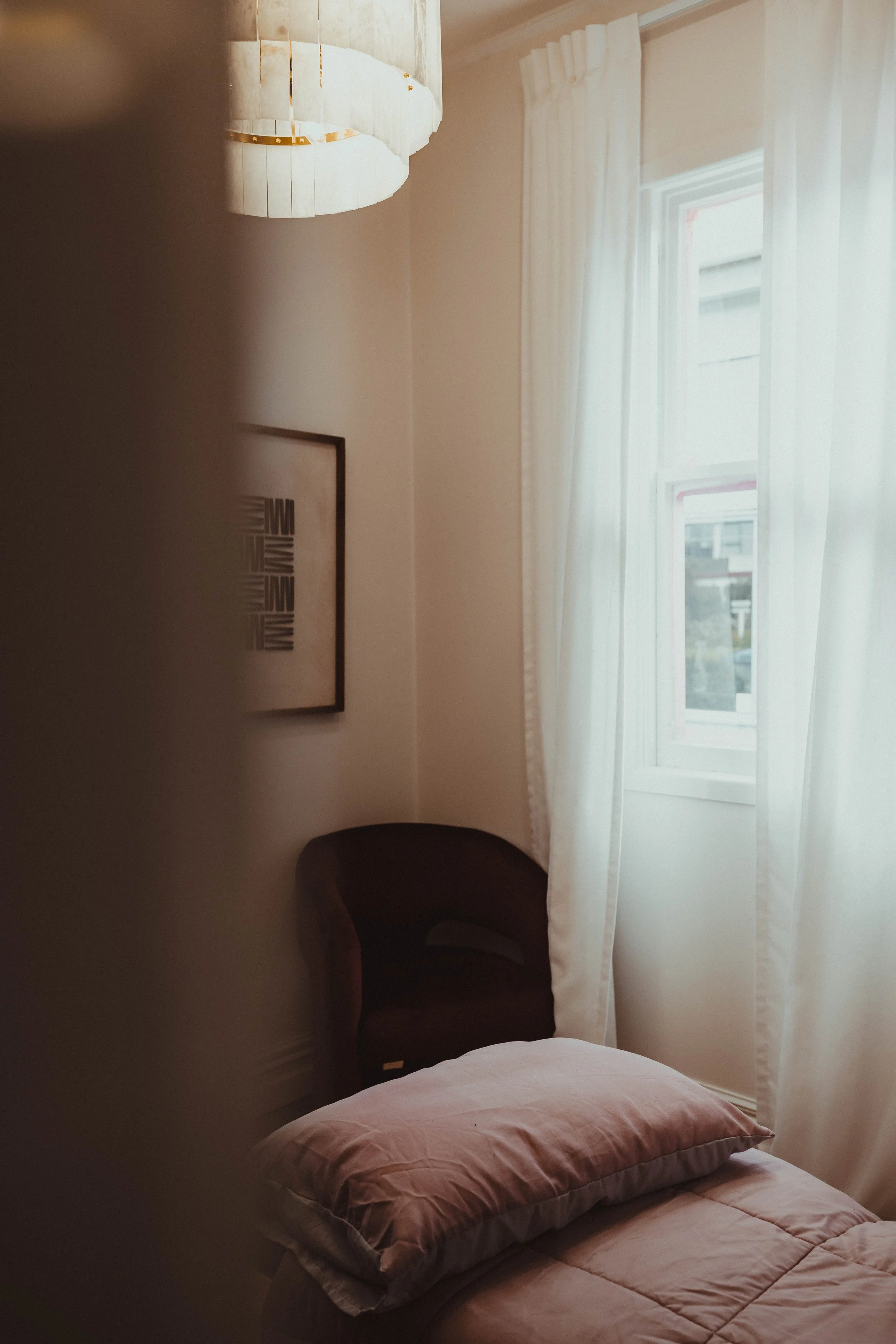
Your practitioner takes a detailed history — mechanism of injury, aggravating activities, sport, training load, previous knee injuries and any imaging you've had.
Pelvic & Hip Assessment
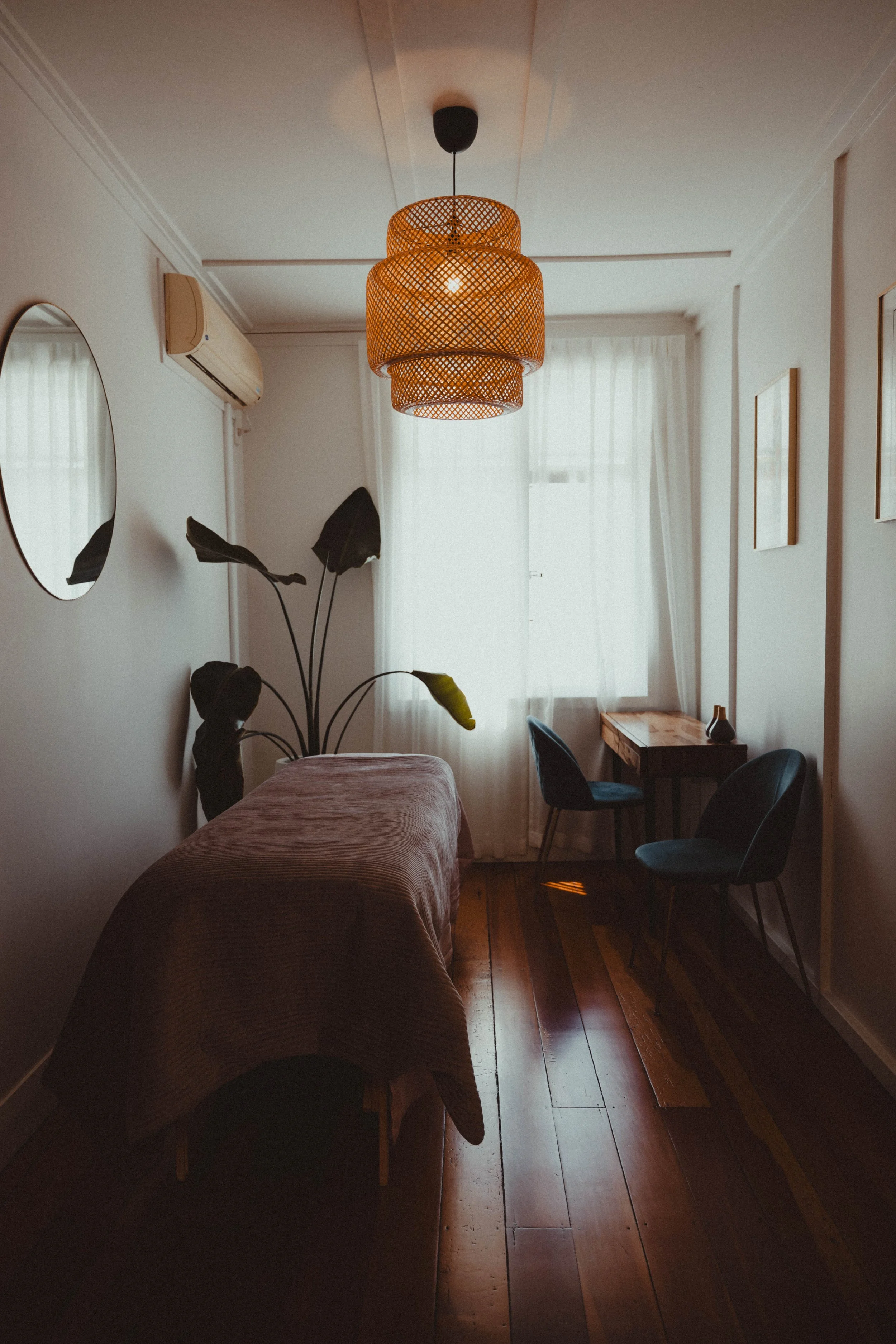
A hands-on examination including range of motion testing, orthopaedic tests, neurological screening and spinal palpation to identify areas of restricted movement.
Clinical Findings
Your practitioner explains what they've found — the knee issue and any contributing biomechanical factors — and whether imaging (X-ray, ultrasound, MRI) is recommended. A combined chiro-physio plan is outlined.
Your First Session
If appropriate, care begins at your first visit — pelvic and hip adjustment from your chiropractor, and initial knee exercises from your physiotherapist. ACC claim can be lodged on the spot.
Injured Your Knee?
ACC Can Help.
If your knee pain resulted from an injury — sport, a fall, a twist, or workplace incident — ACC may subsidise your chiropractic and physiotherapy care at WYLD. Knee injuries are among the most common ACC claims we see.
No GP referral is required. Our chiropractors and physiotherapists are registered ACC providers and can lodge a new claim at your first appointment. Simply mention your injury when booking.
WYLD is also recognised by Southern Cross health insurance for chiropractic, physiotherapy and acupuncture.
Book Your Chiropractic Assessment
Select your nearest clinic to book online. New patients welcome. ACC patients — mention your knee injury when booking.
Knee Pain FAQ
Knee pain can result from ligament injury (ACL, MCL), meniscal tears, patellofemoral pain (runner's knee), tendinopathy, bursitis, osteoarthritis and biomechanical dysfunction in the hip, pelvis or foot. The knee is a hinge joint caught between two rotational joints — making it vulnerable to forces from above and below.
Many people are surprised to learn that chiropractors commonly work with knee pain. The pelvis, hip and lumbar spine directly influence how the knee loads and moves. Our chiropractors assess the full biomechanical chain and use pelvic and spinal adjustment to address the upstream factors that contribute to knee dysfunction.
If your knee pain resulted from an injury — sport, a fall, twisting — ACC may subsidise your chiropractic and physiotherapy care. No GP referral is required. Our practitioners can lodge a claim at your first appointment. Knee injuries are among the most common ACC claims.
Both are valuable for knee pain. Physiotherapy is essential for knee-specific rehabilitation and strengthening. Chiropractic adds the biomechanical assessment of the hip, pelvis and spine that most knee-only approaches miss. At WYLD, many knee patients see both for the most comprehensive recovery.
Not always — many knee conditions can be assessed clinically. However, if a ligament tear, meniscal injury or fracture is suspected, your practitioner may recommend X-ray, ultrasound or MRI. We can refer for imaging directly — no GP visit needed.
This varies significantly. Simple patellofemoral pain may improve in 4-6 weeks. ACL reconstruction rehabilitation typically takes 9-12 months. Meniscal injuries vary from 4-12 weeks. Your physiotherapist will set clear milestones and manage your recovery timeline.
WYLD has 5 Auckland clinics: Ponsonby (20 Jervois Road), Newmarket (2A Railway Street), Takapuna (439 Lake Road), Howick (128 Picton Street) and Birkenhead (119 Birkenhead Avenue). All offer chiropractic, physiotherapy, massage and acupuncture. Open 7 days.
5 Auckland Clinics

"Knee pain responds best to a combined approach — our chiropractors and physiotherapists work together across all 5 WYLD clinics to get you moving well again."
Ponsonby · Newmarket · Takapuna · Howick · Birkenhead